
Medical Conditions You Must Report to the DVLA
Some medical conditions can make driving unsafe, so the law says you must tell the DVLA about them. Skip that step and you can face a fine of up to £1,000.
The government website provides a complete A-Z list of more than 100 medical conditions that need to be disclosed.
But not every condition needs a report, and the rules often depend on your treatment or symptoms. This guide shows you what to check and how to do it.
This guide covers car and motorbike licences. Bus, coach and lorry licences have stricter rules, so check the DVLA’s guidance if you hold one.
Key Takeaways
- You can be fined up to £1,000 for not telling the DVLA about a condition that affects your driving (GOV.UK, 2026).
- Some conditions need a report every time. Others depend on your treatment or symptoms.
- Car and motorbike drivers can check and report online.
- You can usually keep driving while the DVLA decides.
Are You Fit to Drive?
To make sure you’re still fit to drive, it’s important to have regular eye exams, evaluate yourself honestly, and maintain your health.
You must disclose to the DVLA any “notifiable” medical conditions that could impact your ability to drive. If you don’t, there may be dire repercussions.

Which medical conditions must you tell the DVLA about?
The DVLA’s A to Z list has about 190 entries, from diabetes treated with insulin to epilepsy, sleep apnoea and glaucoma (GOV.UK, 2026). Some conditions need a report every time. Others only count when they affect your driving. So two drivers with the same condition can get different answers.
| Condition | Do you tell the DVLA? |
|---|---|
| Diabetes treated with insulin | Yes, if the insulin lasts over 3 months, or you get disabling low blood sugar |
| Diabetes treated with tablets or non-insulin injections | Ask your doctor or nurse |
| Diabetes controlled by diet only | No |
| Pacemaker fitted | Yes (not for a battery change) |
| Irregular heartbeat (arrhythmia) | Yes, if symptoms distract or disable you, or you might not be able to stop or control the vehicle safely |
| Heart attack or angioplasty | No, but stop driving for 1 to 4 weeks |
| Stroke or mini-stroke | Only if problems last past 1 month, you had a seizure or brain surgery, or your doctor thinks you’re unsafe |
| Glaucoma, double vision, night blindness | Yes, when they affect both eyes or your only working eye |
Sources: GOV.UK guidance on diabetes, pacemakers, arrhythmia, heart attacks, strokes and eye conditions, checked 21 September 2026.
Your condition isn’t in the table? Use the DVLA’s online checker. The full list also includes dementia and severe memory problems, Parkinson’s disease, multiple sclerosis, motor neurone disease, fainting and blackouts, sleep apnoea, amputations, head injuries and brain tumours.
Mental health conditions such as anxiety, depression, bipolar disorder and psychosis appear too, along with alcohol and drug problems. Being on the list doesn’t always mean you must report. Check the guidance for your exact condition.
Common mix-ups: heart attacks, diabetes and eyesight
Many drivers think a heart attack means an automatic report. On a car or motorbike licence, it doesn’t. You should stop driving for 1 to 4 weeks, depending on your treatment, and ask your doctor when it’s safe to restart (GOV.UK, 2026). Three mix-ups are worth clearing up.
- Heart attacks. No report for a car or motorbike licence, but you must rest from driving first. Lorry and bus drivers must report and stop for 6 weeks.
- Diabetes. Only some treatments need a report. Diet-controlled diabetes doesn’t.
- Short sight. Being short-sighted, long-sighted or colour blind doesn’t need a report (GOV.UK, 2026).
What happens if you don’t tell the DVLA?

You can be fined up to £1,000 if you don’t tell the DVLA about a medical condition that affects your driving. You may also face prosecution if you have an accident because of it (GOV.UK, 2026). An unreported condition can also cause problems with your insurance, so check your policy or call your insurer.
Worried that reporting will cost you your licence? Keep reading. The DVLA has more options than a simple yes or no.
How do you tell the DVLA about a medical condition?
If you have a car or motorbike licence, you can check your condition and report it online in one place (GOV.UK, 2026). Some conditions also have a paper form, such as DIAB1 for diabetes and H1 for pacemakers. Bus, coach and lorry drivers must send a form.
- Search for your condition on the DVLA’s checker.
- Follow the link to report online, or fill in the form that the page shows you.
- Wait for the decision. It arrives by letter.
Applying for your first licence? The application form asks about notifiable conditions, so you answer there and don’t contact the DVLA separately. The same goes if you renew at 70 or over.
Can you keep driving while the DVLA decides?
You can usually keep driving while the DVLA looks at your case. Some conditions, such as a stroke, need you to stop first (GOV.UK, 2026). The DVLA might contact your doctor, arrange an exam, or ask you to take a driving assessment or an eyesight test.
Once it decides, the DVLA can:
- give you a new licence
- give you a shorter licence for 1, 2, 3 or 5 years
- ask you to fit special controls to your car
- tell you to stop driving and give up your licence
The last option applies if your doctor tells you to stop driving for 3 months or more, or your condition affects safe driving for 3 months or more. You can apply to get your licence back once you meet the medical standards again (GOV.UK, 2026).
What are the eyesight rules for driving?
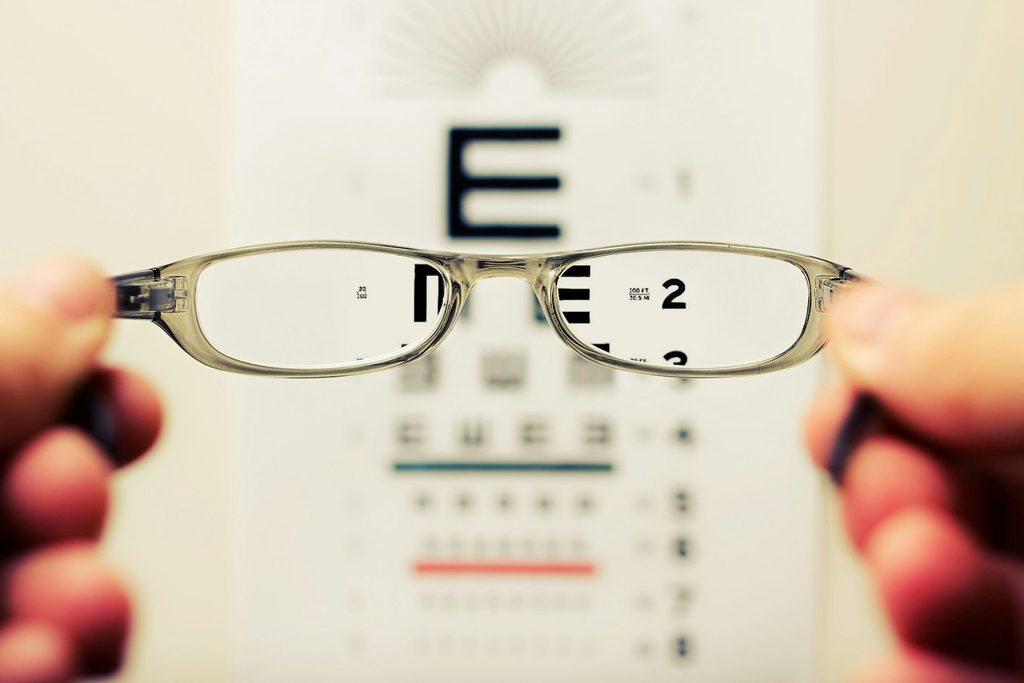
You must read a number plate from 20 metres away, about the length of 5 parked cars. You can wear glasses or contact lenses to do it (GOV.UK, 2026). You also need a visual acuity of at least decimal 0.5 on the Snellen scale, plus an adequate field of vision. An optician can test both.
If you need glasses or contact lenses to meet the standard, wear them every time you drive. Your practical test starts with reading a number plate. If you fail to read it? The test ends, the DVLA finds out, and it revokes your licence.
Certain eye conditions, such as glaucoma, double vision and night blindness, need a report when they affect both eyes or your only working eye. If your optician or doctor tells you not to drive, tell the DVLA too. Most opticians recommend an eye test at least every two years, or sooner if your sight changes.
How GoodLuck Driving School Can You Help You?
We offer refresher driving course, advanced driving classes, as well as assistance for people getting back behind the wheel after a break or adjusting to new medical conditions.

OR CALL US AT
0752-780-7069
Latest Blog

October 17, 2026

October 5, 2026
September 21, 2026

September 10, 2026
May 27, 2026
Book your first driving lesson for only £35/hour (min 2 hr)
Book a lessonSee Our Reviews On


We offer friendly, value-for-money, driving lessons in Merton, Sutton and South West London to suit drivers of all abilities. We guarantee all pupils pass first time.
 Can I help you!
