UK Driving Law Changes 2026: What’s New and What It Means for You
One-third of driving learners in the UK have paid as much as £500 for a driving test which officially costs £62. That one fact shows you a great deal about the state of affairs before the DVSA intervened this year.
2026 has brought a wave of changes to UK driving rules. Some are already law. Others are still just proposals getting talked about in Parliament and in the papers. If you drive, learn to drive, or park on a British street, here’s what’s actually changed and what’s still just talk.
Key Takeaways
Important UK driving rule updates and proposals to know in 2026.
-
DVSA banned third-party driving test booking services in 2026
After finding that around a third of learners paid up to £500 for a £62 driving test.
-
Alcolocks for repeat drink-drivers are being proposed
A group including the RAC has asked the government to make alcolocks mandatory, but this is not currently law.
-
An 80mph speed limit is only a proposal
The idea is a fringe proposal and is not government policy.
-
Driveway parking rules have not changed
However, blocking a dropped kerb can still result in enforcement action or a penalty.
What Changed With Driving Test Booking in 2026?
A DVSA survey found that around a third of learners had used a third-party reseller to book their driving test, with some paying up to £500 for a test that costs £62 on a weekday. That’s not a small problem. It’s a system that was quietly broken for years.
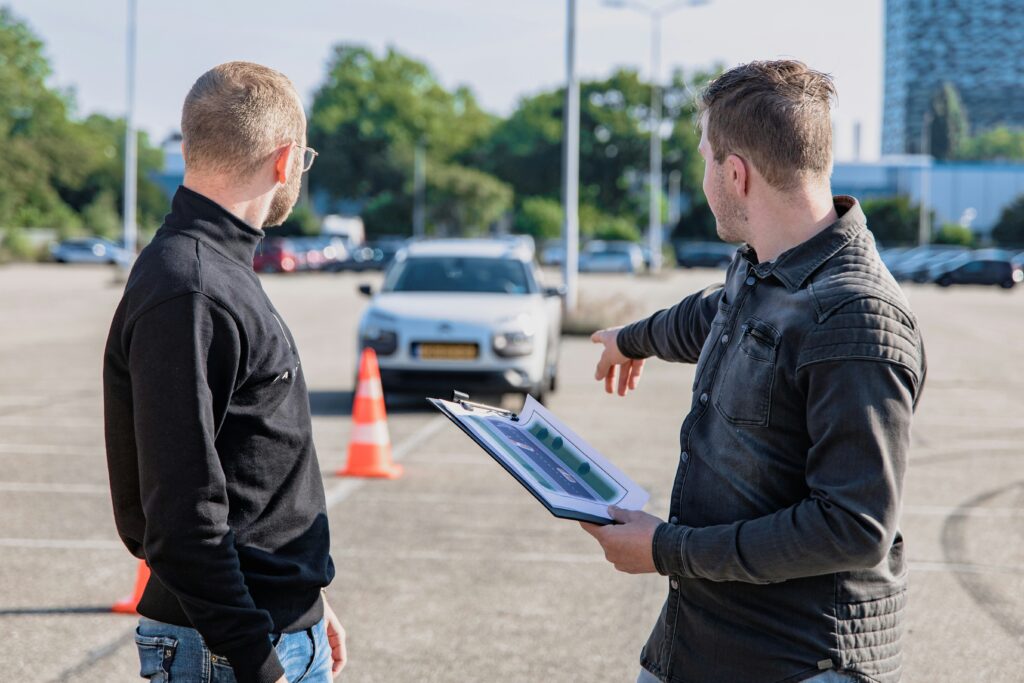
So the DVSA moved fast. Here’s the timeline-
- 31 March 2026: The number of changes you can make to a test booking dropped from six to two.
- 12 May 2026: Only the learner can book, change, swap, or cancel their own test online. Driving instructors and third parties can no longer do it for you. Bots and automated slot-searching tools got banned outright.
- 9 June 2026: If you want to move your test, you can now only shift it to one of the three centres nearest your home address.
Why does this matter? Because reselling test slots had become a real business, and it was learners footing the bill. DVSA now has the power to suspend someone’s online booking access for up to 12 months if it detects bot activity or reseller behaviour.
Any site promising a fast-track slot for a fee is operating outside the rules, no matter how official it looks.
How Do You Actually Book a Driving Test Now?
You book driving test only through GOV.UK. That’s the whole answer. No apps, no third-party portals, no “priority booking” services.
Here’s what the process looks like in 2026:
- You can book up to 24 weeks ahead of time.
- You get two changes to your booking. Use them wisely.
- If you need to move your test, you can only pick from the three centres closest to home.
- Since 12 May, only you (the learner) can log in and manage your own booking. Your instructor can help you prepare, but they can’t touch the booking itself.
As of August 2026, the average wait to book a practical test sits around 20 weeks, even though DVSA ran a record 197,295 tests in July alone. More tests running doesn’t automatically mean shorter queues, which tells you demand has simply outpaced supply. If you spot a service offering a guaranteed slot within days, report it through GOV.UK. It’s likely breaking the rules DVSA just tightened.
Is the UK Getting Mandatory Alcolocks for Drink-Drivers?
In late August 2026, a coalition that includes the RAC, the National Police Chiefs’ Council, and Road Safety Great Britain wrote to Prime Minister Andy Burnham asking for a mandatory alcolock programme aimed at high-risk and repeat drink-driving offenders.
An alcolock is basically a breathalyser wired directly into a car’s ignition. Blow above the legal limit, and the car simply won’t start. The proposal would let courts require one as a condition for an offender to get back behind the wheel, alongside monitoring and rehabilitation support.
Is this law? No. As of early September 2026, it remains a proposal sitting with the government. Nothing has been enacted. Worth keeping an eye on if you follow road safety policy, but don’t expect it in cars anytime soon.
Driveway and Parking Rules Explained
Can you park in front of your own driveway, or does someone else’s car parked opposite count as an obstruction?
Parking on your own driveway is fine, it’s your land. Parking on the public road opposite someone’s driveway is also generally fine, unless it causes an actual obstruction under Rule 242.
Two Highway Code rules matter here-
- Rule 201 advises drivers to “reverse in and drive out if you can” when using a driveway. Notice the wording. “If you can” makes this guidance, not a hard legal requirement.
- Rule 243 says you shouldn’t stop or park in front of an entrance to a property, which includes dropped kerbs built for driveway access. Blocking a dropped kerb can actually get you a parking ticket in areas where the local council has adopted dropped-kerb protection.\
Check your mirrors and blind spots, look out for pedestrians and cyclists, reverse slowly while mostly watching the rear window, and get someone to guide you if your visibility is limited.
Will the Speed Limit Rise to 80mph?
No, not right now. This idea came from Rupert Lowe and his Restore Britain movement, who argue that raising the national speed limit to 80mph would “back business, trust drivers, and get Britain moving.”

It’s not government policy. It hasn’t gone through any formal consultation or legislation as of September 2026. And it’s facing pushback, particularly in regions like the North West, where local authorities are actually moving in the opposite direction, introducing “quiet lanes” and lower rural speed limits instead.
So if you’ve seen headlines about this, treat it as one campaign’s wish list, not an incoming change to your commute.
Richard Hammond’s Speeding Case
TV presenter Richard Hammond picked up two speeding convictions for offences committed in December 2025. He was caught doing 68mph in a 50mph zone on the A40 in a Porsche Taycan, then 82mph in a 70mph zone on the A50 in a Bentley Continental GT, just twenty days later.
At Telford Magistrates’ Court in July 2026, Hammond pleaded guilty through his lawyers. He received 7 penalty points and was fined a total of £1,771, covering fines, costs, and victim surcharges. The DVLA recorded the points against his licence in August 2026.
The takeaway here isn’t really about Hammond specifically. It’s that speed enforcement in the UK doesn’t slow down for anyone, famous or not.
Frequently Asked Questions
Can I stop someone else from parking in front of my house?
Not directly, unless it involves your driveway entrance. Rule 243 of the Highway Code prohibits parking in front of a dropped kerb built for driveway access, and this can be enforced as a parking contravention where local councils have adopted the relevant protection.
Can my driving instructor book my test for me in 2026?
No. Since 12 May 2026, only the learner can book, change, swap, or cancel their own driving test online. Instructors can help with preparation but can no longer manage the booking on your behalf.
What happens if I get caught using a driving test reseller?
DVSA can suspend your online booking access for up to 12 months if it detects reseller or bot-like activity on an account. You can still book and manage your test by phone if this happens, but it’s a real setback.
Is an alcolock the same as a normal breathalyser?
Not quite. A standard breathalyser is a handheld device police use to test someone after the fact. An alcolock is wired directly into a car’s ignition system, so the vehicle physically won’t start if it detects alcohol above the set limit.
Conclusion
If you are planning on booking your driving test soon, go directly to GOV.UK, keep your two attempts as a backup, and avoid anyone who offers you a “guaranteed” quick slot for a fee.
Sources
- Mirror: Driveway parking rule many drivers don’t realise
- Echo News: Blocked driveway warning for parents on the school run
- Petrol Prices: Parking law 2026, what changed and what didn’t
- The Independent: Drink-driving limit and alcolock proposal to Andy Burnham
- Oxford Mail: Police call for alcolock breathalysers added to cars
- Motoring Chronicle: DVSA survey finds a third of learners paid up to £500 for a £62 test
- Motoring Chronicle: Why driving test waits rose even as DVSA ran a record number of tests
- GOV.UK Despatch Box: Listening, learning, changing – update to driving instructors
- Driving.org: Locked out and left waiting, pupils blocked from the booking system
- Swindon Advertiser: DVLA adds seven points to Richard Hammond’s driving licence
- North West Bylines: More haste, less speed
- Birmingham Mail: Brits back tougher restrictions on young drivers
- GOV.UK: National Travel Survey 2025, household car availability and trends
- GOV.UK: National Travel Survey 2025, active travel
OR CALL US AT
0752-780-7069
Latest Blog

October 17, 2026

October 5, 2026
September 21, 2026
September 10, 2026
May 27, 2026
Book your first driving lesson for only £35/hour (min 2 hr)
Book a lessonSee Our Reviews On


We offer friendly, value-for-money, driving lessons in Merton, Sutton and South West London to suit drivers of all abilities. We guarantee all pupils pass first time.
 Can I help you!