Top 6 Driving Techniques You Should Master
Driving is much more than just going from one place to another. It’s a skill that requires focus, self-control, and constant improvement.
Whether you’re just starting out or a seasoned driver looking to brush up on your skills, mastering the basics of driving techniques will help you become an efficient driver.
Do you know how to drive safely in every situation? Here are some essential driving techniques that every driver should know.
Key Takeaways
- Hold the wheel at 9 and 3 and steer smoothly with the push-pull method.
- Brake early, typical stopping from 50mph takes about 53 metres.
- Use Mirrors-Signal-Manoeuvre and a shoulder check every time you move.
Where Should You Place Your Hands on the Steering Wheel?

Proper hand placement on the steering wheel is a fundamental yet critical driving skill.
For the best control place your hands at the 9 and 3 o’clock positions.
This gives you maximum control, especially when making sharp turns or driving at high speeds.
With this hand position, you can handle the wheel smoothly and safely while avoiding sudden jerks or overcorrecting.
How Do You Brake Smoothly?
Braking is another area where many drivers can improve.
Rather than slamming on the brakes harder, always aim for a smooth and gradual stop.
This not only provide a more comfortable ride for passengers but it also increases the lifespan of your brake pads.
To do this, start braking early and gradually apply pressure, giving yourself enough time to stop without sudden jerks.
Smooth braking lower wear on your car braking pads and makes for a safer driving experience overall (The Highway Code, Rule 126).
How Do You Change Gear Smoothly?
Whether you’re driving a manual or automatic car, shifting gears efficiently is key.
If you’re driving a manual car, try to prevent jerky motions when shifting gears.
Listen to how your engine feels and sounds; shifting too early or too late can cause stress on the engine and reduce fuel economy. When it’s time to shift, you’ll notice that the engine is revving higher than usual.
In an automatic car, ensure you’re driving at an optimal speed and allowing the transmission to shift naturally. Avoid heavy acceleration while the car is shifting to prevent unnecessary pressure on the engine.
Still deciding between the two? Our guide to manual vs automatic cars compares them, and Basics of Car Gears explains what each gear is for.
How Do You Check Your Blind Spots?
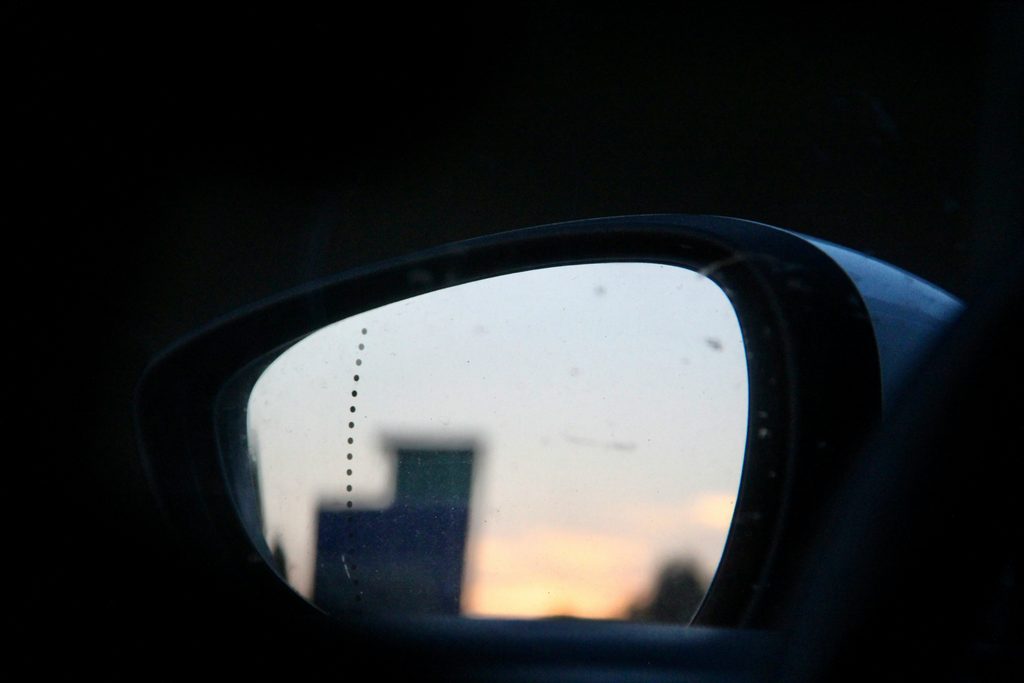
Every driver has blind spots around car that are not visible through the mirrors.
For younger car drivers in fatal or serious collisions blind spots are the most common factor recorded by the Department for Transport was ineffective observation (DfT younger driver factsheet).
For example, if you are merging onto a highway and fail to check your blind spot, you may not see a car approaching from behind you.
It’s super important to check these blind spots before you change lanes or merge onto any road.
Always remember to glance over your shoulder before making a move to make sure there’s no car lurking in your blind spot.
Being mindful of these blind spot can really help you steer clear of accidents and keep yourself safe on the road.
What Is Defensive Driving?
Defensive driving is all about being proactive and ready to respond to what other drivers might do. Always keep in mind that other drivers can make mistakes and be prepared to react accordingly. (Rule 126)
This might mean leaving a little extra space between you and the car ahead, keeping your eyes peeled for potential hazards, and staying alert to pedestrians and cyclists.
The aim here is to prevent accidents before they occur, even if you’re not the one at fault. For more, browse our defensive driving techniques posts.
What Is the Mirrors-Signal-Manoeuvre Routine?
Mirrors are vital tools for safe driving.
Make sure to adjust them so you have the clearest view of the road and your surroundings.
It’s important to check your rearview and side mirrors regularly to stay updated on traffic conditions. Always look at your mirrors before changing lanes or making turns.
This simple habit can help you avoid accidents and make sure you’re fully aware of what’s happening around you.
Common Mistakes and Fixes
| Technique | Common Mistake | The Fix |
|---|---|---|
| Hand Position | Tight grip, one hand on the gear lever | Keep hands at 9 and 3, use a light grip, and practise push-pull steering. |
| Braking | Late, hard braking | Look ahead, ease off early, and brake progressively. |
| Gear Changes | Changing gear too early or too late | Match the gear to your speed, listen to the engine, and use the clutch smoothly. |
| Blind Spots | Relying on mirrors alone | Do a quick shoulder check towards the side you intend to move. |
| Defensive Driving | Following too closely | Maintain at least a two-second gap, increasing it in wet conditions. |
| Mirrors and MSM | Signalling or moving before looking | Follow Mirrors, Signal, Manoeuvre—in that order, every time. |
Frequently Asked Questions
Should I use 9 and 3 or 10 and 2 on the steering wheel?
Both of these methods are commonly taught. Although many instructors prefer 9 and 3 since it keeps your arms relaxed and away from the airbag, the most important thing is to keep both hands on the wheel and steer smoothly. Find out from your instructor which one they prefer and stick to it.
How far is a two-second gap?
It depends on your speed, which is why the Highway Code measures it in time, not metres. Choose a fixed point, wait two seconds after the vehicle in front of you has passed it, and make certain that your car does not reach that point before that time. When the roads are wet, increase the gap to a minimum of four seconds.
How long does it take to stop at 30mph?
The typical stopping distance given in the Highway Code when travelling at 30mph is 23 metres, which consists of 9 metres for the thinking distance and 14 metres for the braking distance. This figure is based on the assumption of an alert driver, a dry road and a car that has good brakes. The distance becomes greater if the road is wet or the driver is tired or if the tyres are worn.
When should I do a blind-spot check?
Before you move off, change lane, merge, overtake or turn, check your blind spot after having checked your mirrors and put on your signal. Turn your head to look over the shoulder on the side towards which you’re moving, keep the glance short, then look back at the road. If there is anything alongside you, wait.
Conclusion
The more you practice these techniques, the more natural and safer your driving will become. This not only benefits you but also everyone else driving on the road.
Whether it’s making sure your hand placement is correct or being alert of blind spots. Each of these habits plays an important role in making you best driver.
With the help of Goodluck driving school expert instructors master these techniques in no time.
BOOK NowOR CALL US AT
0752-780-7069
Latest Blog
October 17, 2026

October 5, 2026
September 21, 2026

September 10, 2026
May 27, 2026
Book your first driving lesson for only £35/hour (min 2 hr)
Book a lessonSee Our Reviews On



We offer friendly, value-for-money, driving lessons in Merton, Sutton and South West London to suit drivers of all abilities. We guarantee all pupils pass first time.
 Can I help you!